
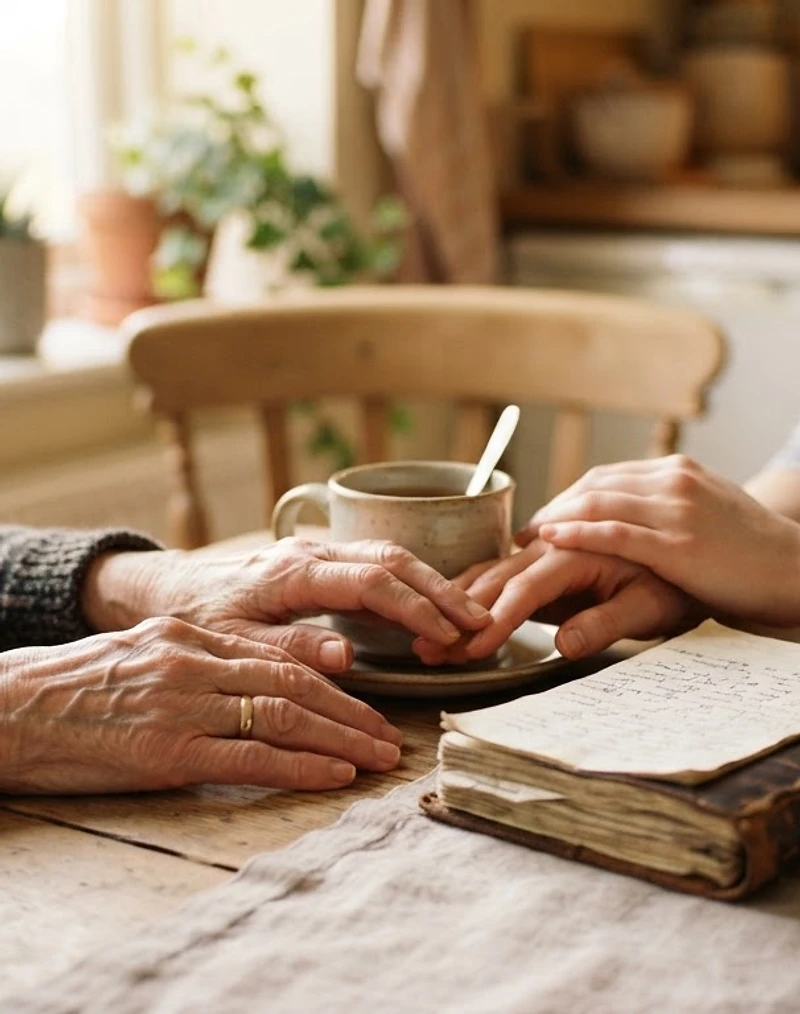
Is Mum or Dad still safe living at home?
Changes in memory, mobility or behaviour can make everyday activities more challenging. Our experienced clinicians help families identify risks and make practical changes that support safer living at home.
For adult children, partners and family carers. No My Aged Care package required to enquire.
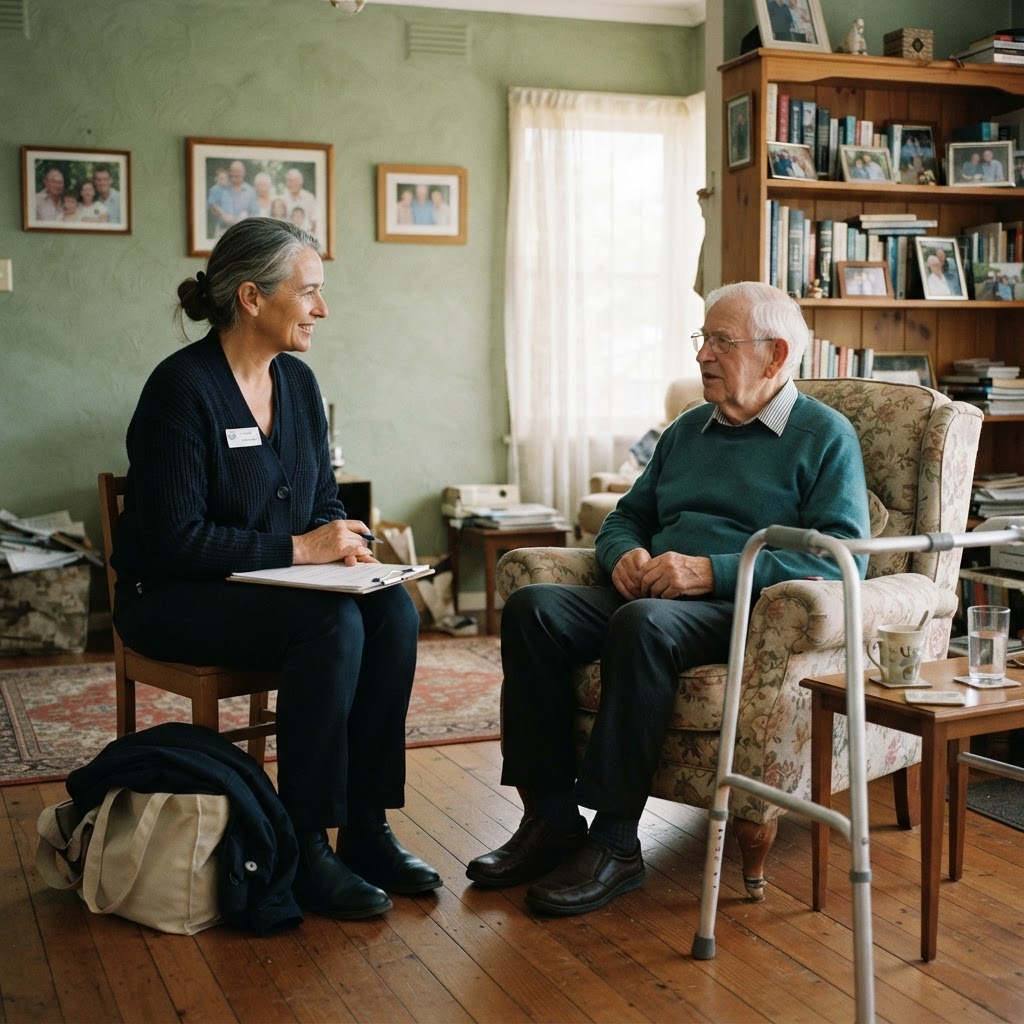
Small changes at home can be early warning signs.
These are the things adult children notice first. None of them mean a fall is certain, but each one tells you something worth acting on.
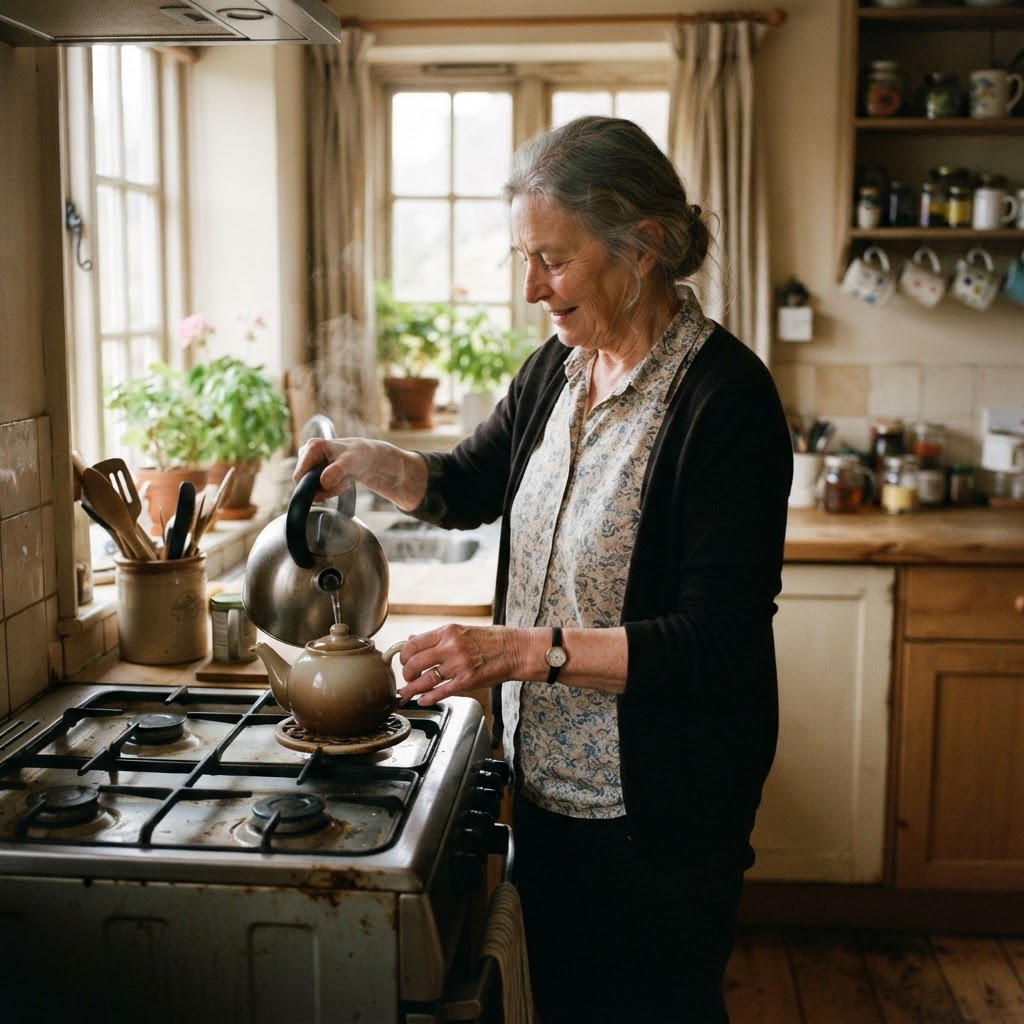
Kitchen safety
Forgetting appliances, leaving the stove on or becoming confused during familiar tasks.
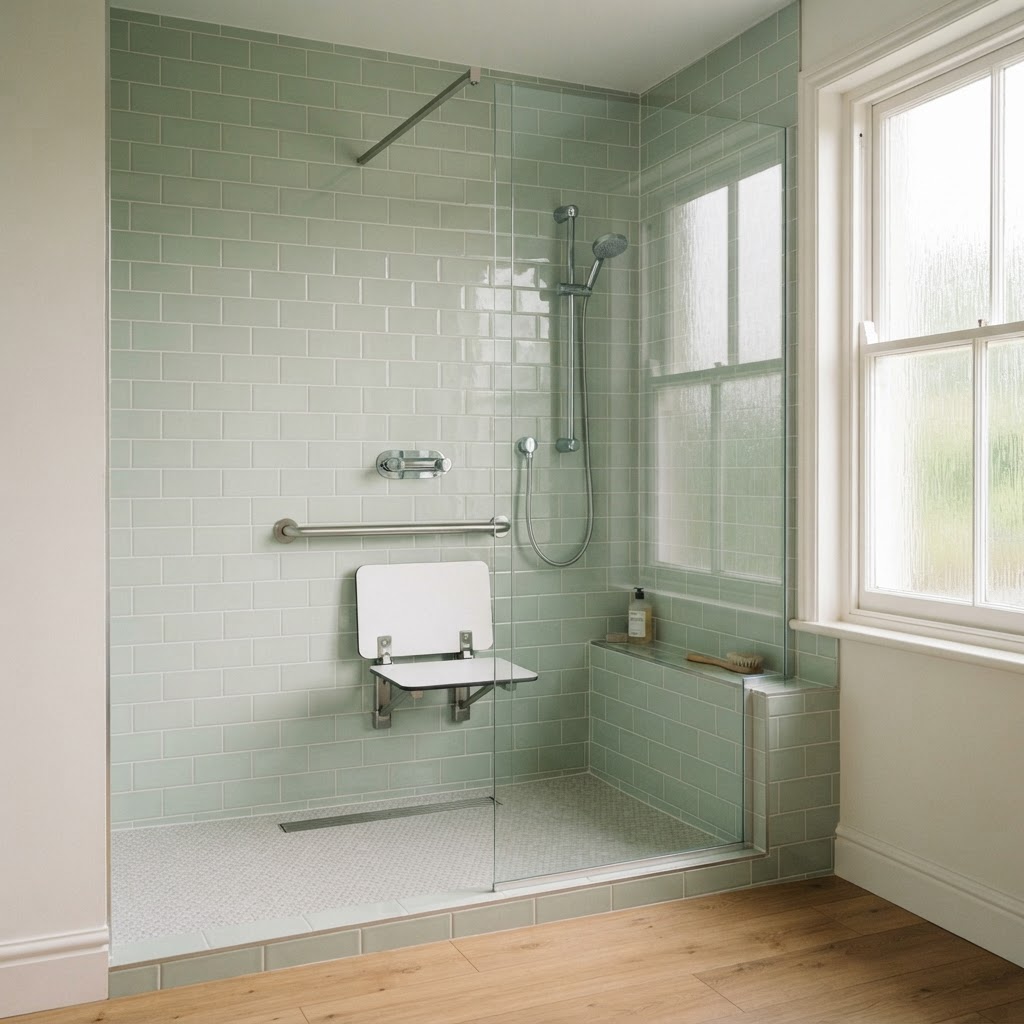
Falls and mobility
Unsteady walking, difficulty getting out of bed or navigating the bathroom.
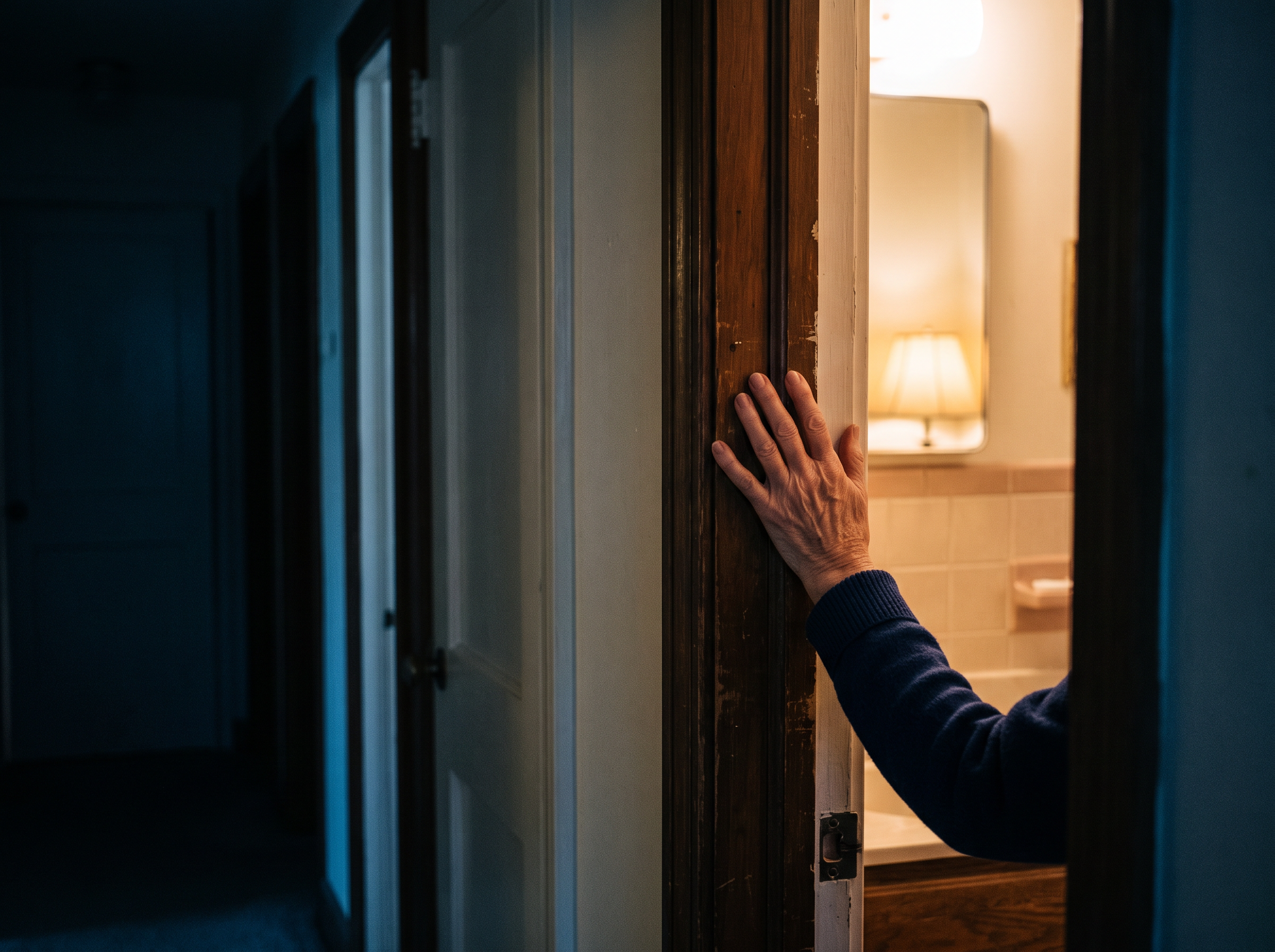
Confusion at night
Difficulty finding the bathroom, disrupted sleep or disorientation after dark.
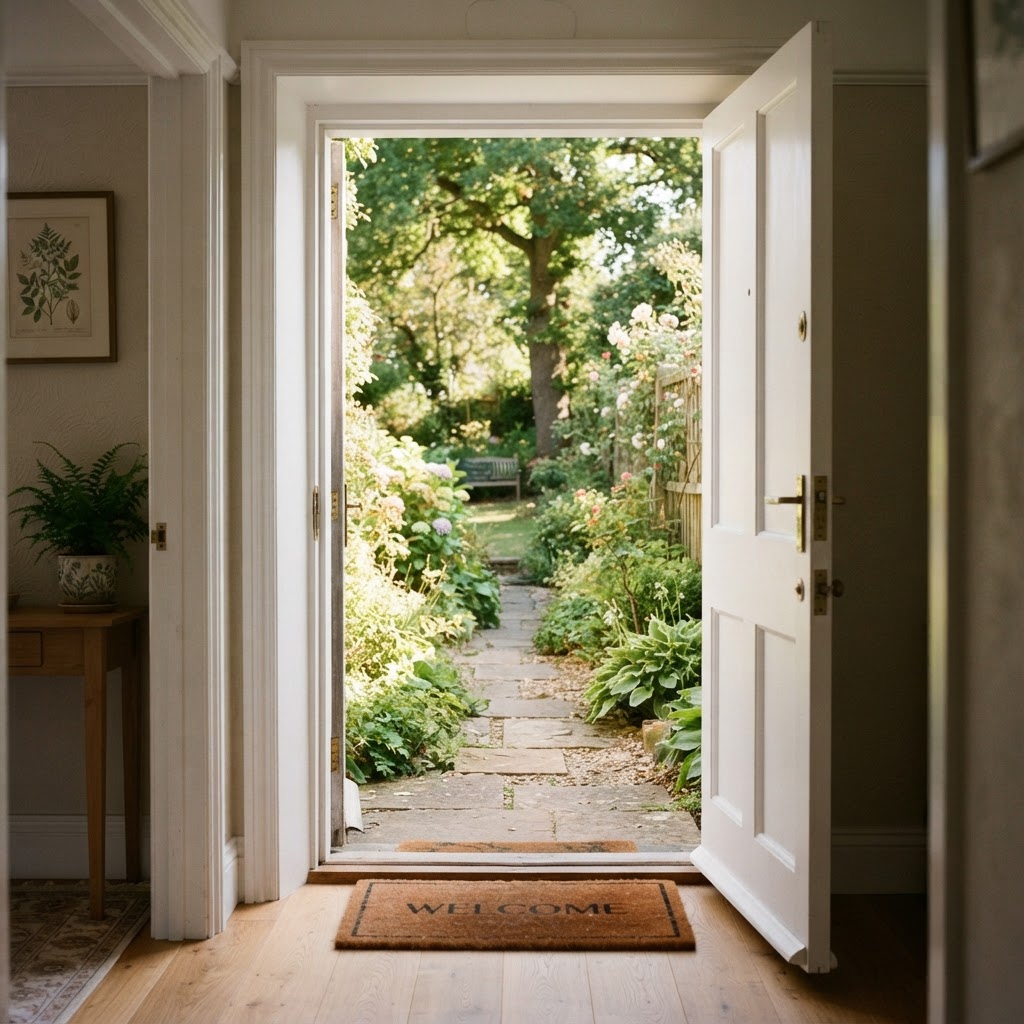
Getting lost or wandering
Leaving home unexpectedly, becoming disoriented or struggling to find the way back.
You don't have to wait for a fall or a hospital visit to understand what could make home safer.
Why home safety matters, and what's preventable
If you're caring for a parent with dementia, you've probably seen something: a near miss, a bruise no one can explain, a shuffle that wasn't there last year. You're not overreacting. People living with dementia have roughly two to three times the falls risk of others their age.
What catches families out isn't the risk itself, it's not knowing what to do first. Many falls are not inevitable. The right changes, made in the right order, keep your mum or dad steadier and out of hospital.
The same is true of the kitchen, the bathroom and the front door. We help you see what matters in your parent's home, and what to do about it, in an order you can actually act on.

2–3×
increased fall risk associated with dementia, compared to peers of a similar age
Independence
A fall can shake confidence and reduce the activities someone manages on their own.
Hospital stays
Falls are a leading cause of injury and avoidable hospital admissions in older Australians.
The worry lands on you
The phone calls, the appointments and the coordination are usually yours. That load is real.
Evidence-based strategies that make the biggest difference.
These are the areas the 2025 Australian Falls Guidelines highlight, adapted for families supporting a parent living with dementia. You don't need to tackle them all at once. Start with the one that worries you most.

01
Tailored exercise
Balance, strength and mobility programs reduce falls. For people with mild to moderate dementia, supported exercise can be safe and effective when they choose to take part.
02
Home and environment changes
Lighting, removing trip hazards, contrast on steps and edges, and clear walkways make a real difference, especially as vision and spatial awareness change.
03
Medication review
Some medicines increase falls risk. A GP or pharmacist review can identify ones that cause dizziness, drowsiness or low blood pressure.
04
Vision, hearing and footwear
Regular eye checks, hearing care and well-fitting, supportive footwear each lower risk. Simple, often overlooked.
05
Vitamin D and nutrition
Adequate vitamin D, hydration and nutrition support muscle and bone strength. Your parent's GP can advise on what's right.
06
Post-fall response and monitoring
After a fall, a calm review of what may have contributed helps prevent the next one. We help you keep a simple record and watch for patterns.
07
Dementia-specific adaptations
Clear cues, reduced visual clutter, familiar layouts and involving the person and their decision-makers keeps changes workable and respectful.
A dementia home safety checklist you can start on your next visit.
Twelve practical things to check around the home, from bathrooms and lighting to kitchen safety, mobility and confusion. You don't need to wait for an assessment, and most of these you can do this weekend.
Lighting
Brighten hallways, stairs and the path to the bathroom. Add night lights or motion-sensor lights for after dark.
Night-time confusion
Leave a low light on between the bedroom and the bathroom, and keep the route clear and familiar.
Kitchen safety
Switch appliances off at the wall, use a kettle with auto shut-off and keep hot items away from bench edges.
Clutter and cords
Clear walkways of loose rugs, clutter and trailing cords. Secure or remove rugs that slide.
Contrast
Use contrasting colours on steps, edges and toilet seats so they're easier to see.
Bathroom safety
Consider grab rails, a non-slip mat and a shower seat. A raised toilet seat can help.
Footwear
Well-fitting, enclosed shoes with a firm sole. Avoid worn slippers or walking in socks.
Reduce dual-tasking
Encourage sitting down to put on shoes or take medication. Walking while distracted increases risk.
Medication routines
A dosette box or pharmacy packing reduces missed or doubled doses, which can cause dizziness.
Getting lost or wandering
Keep shoes and a phone by the door, an ID card in a wallet, and consider a door alarm or sensor.
Keep essentials within reach
Move everyday items, phone, glasses, water, remote, to waist height to avoid bending or reaching.
Pets and grandchildren
Be mindful of small pets underfoot and toys on the floor during visits.
Want the full checklist to keep?
Get a printable home safety checklist you can work through together, at your own pace.
Practical help, tailored to your loved one's home.
We're not a hospital and we don't replace your parent's GP. We're an independent service that helps you understand what's changing, decide what to fix first, and get it done.
What we help with
What families can expect
Identify risks
Understand potential hazards relating to falls, confusion, mobility and routines.
Know what to change
Practical recommendations for the home and for everyday activities.
Prioritise action
Clear guidance on what to address first, and what may need further assessment.
Plan the next steps
A written action plan, plus recommendations for additional clinical or community support where appropriate.
Consultations are by phone or video. Where an in-home assessment is needed, we'll tell you and help you arrange one.
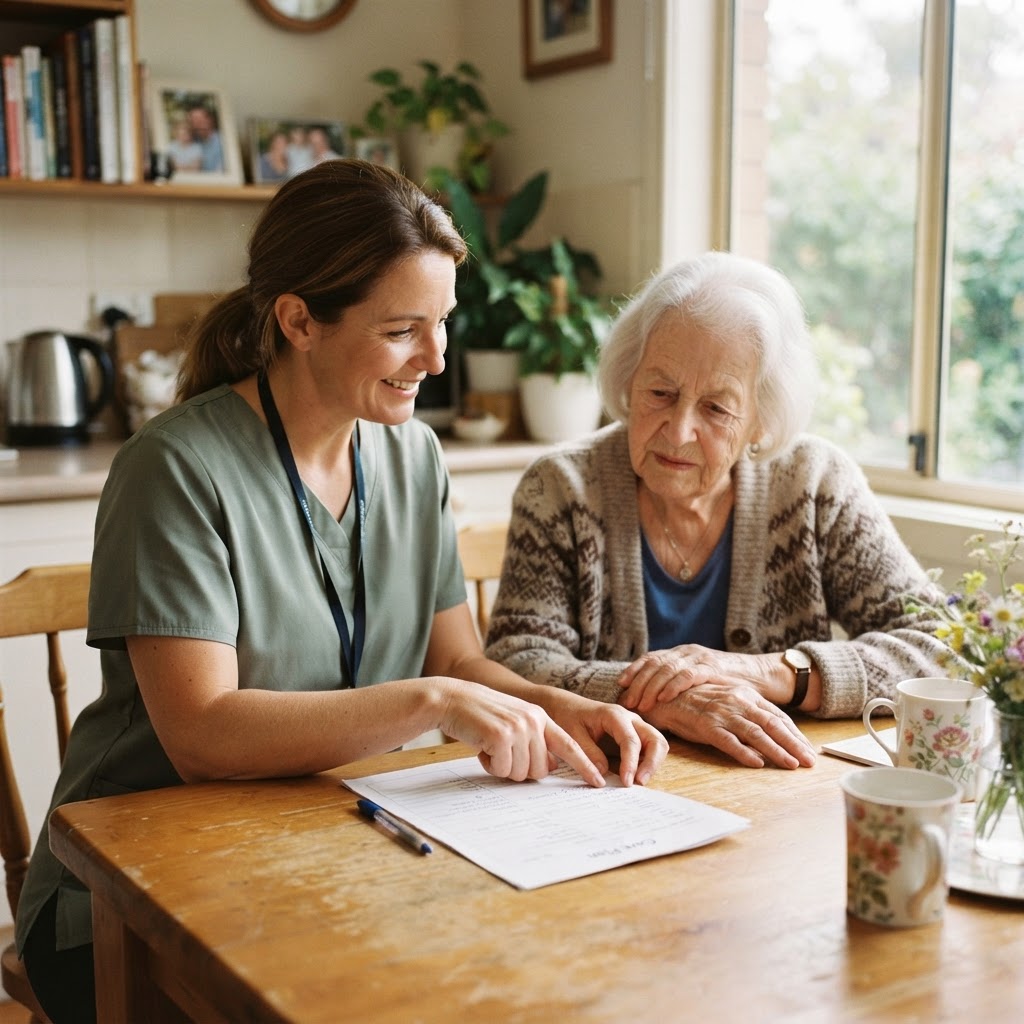
If your parent is in emergency at 2am, it's already written down.
The Living Record and Hospital Passport aren't the main event. They're the quiet tool that means, when someone else is caring for your mum or dad, what matters is already there.
Fewer repeated stories. Less lost information. More continuity for the person you care about.


Real clinical experience. Practical advice.
Meet Alvin, an experienced physiotherapist with a background in hospital-based falls prevention and dementia care.
His experience helps families look beyond obvious hazards to understand how changes in mobility, cognition and everyday routines can affect safety at home.
- Physiotherapist, with 20+ years in health
- Hospital-based falls prevention and dementia care
- Master of Public Health; case management across hospital and community services
Experience includes roles at





A plan only helps once it actually happens.
Meet Amina, who works alongside Alvin to turn recommendations into real appointments, referrals and support.
With your permission, she liaises with services, follows up referrals and coordinates appointments so information doesn't get lost between providers. You stay in control; she helps keep things moving.
- 5+ years leading frontline health and community care teams
- Care coordination across hospital, community and mental health services
- Master of Project Management and Master of Business (RMIT)
Experience includes roles at



Your next steps: from checklist to a plan that stays with you.
Get the free checklist
Start with the home safety checklist and see what's relevant in your parent's home.
Talk it through with a clinician
A 60-minute phone or video conversation to understand what's driving the risk, and what to do first.
Get a personalised action plan
Leave with a written plan, and the option for us to help you put it in place.
Getting started: just the help you need, when you need it.
One conversation, a written plan you can act on, and the option of ongoing help to get it done. We'll always explain what we can do and what it costs before you commit.
Tell us what's happening with your mum or dad. An experienced clinician will help you understand what's contributing to the risk at home, what needs attention, and give you a clear plan for what to do next.
- A 60-minute consultation with our clinician
- A personalised home safety plan: the issues, the priorities, the next steps
- Guidance on preparing for GP, OT or aged care conversations
- Optional follow-up: coordinating assessments, therapists and services
- A Living Record keeps the plan and preferences together
You stay in control of every decision. We help keep things moving.
Phone or video, at a time that works for you and the people involved.
Not sure where to start? That's completely fine.
and we'll help you work it out, no payment, no obligation.
Questions families ask us first.
If you're unsure where to start, you're not alone. These are the questions adult children and carers ask us most often.
Start with what's happening today.
Whether you'd like the free home safety checklist or you want to talk through what's happening with your mum or dad, start here. You don't need to have everything organised before you speak with us.
We'll help you work out what comes next, and help you move it forward.